Misconceptions in Selecting Forage for Horses – Forage Type
Dr. Stephen Duren, Performance Horse Nutrition and Standlee Premium Western Forage® Nutritional Consultants
Forage in the form of hay or pasture is the primary ingredient in the diet for most horses. Horses can consume many different varieties of high-quality forage, both alfalfa and grasses, without digestive upset, provided the horse is properly adapted to the forage.
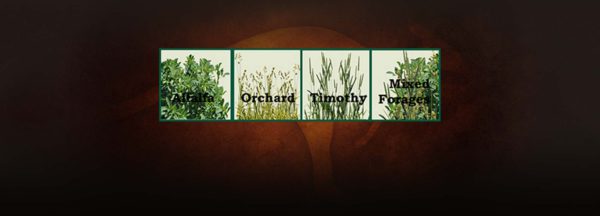
There are many plants that can be grown, cut and stored for use as horse forage. From a practical standpoint, forages can be roughly divided into legumes and grasses. Legumes commonly include alfalfa and clover. Grasses consist of many varieties including: timothy grass, orchard grass, rye grass, bermuda grass, teff grass, blue grass, fescue and many others.
Misconception: Horses can’t eat “pick a variety” forage. I have personally heard that horses can’t eat alfalfa, clover, fescue or bermuda grass, as well as other varieties.
Fact: If forage is properly cut, harvested and stored, horses can eat many varieties of forage. Unless the horse has a specific allergy or health condition, many different forage choices will suffice.
Solution: Many horse owners choose forage based on what is familiar to them. Then these people move to a different area of the country that raises different varieties of forage. Rather than condemn a forage as evil, talk with your veterinarian or nutritionist to make an informed decision.
Are you prepared for winter? Here’s a deal to fill your hay barn!
Buy 4 Get $10 off! That’s right, buy any 4 Standlee bagged or compressed baled products and get $10 off your entire purchase. Keep your horses happy and healthy during winter. Offer excludes Standlee Chopped Straw, Straw Grab & Go® and Straw Compressed Bales and all 2 or 3 string bales. Valid 10/1-11/30/16. Learn more at our website.
