Training Tip: Be a Detective: How are Your Horse’s Mental and Physical Health?
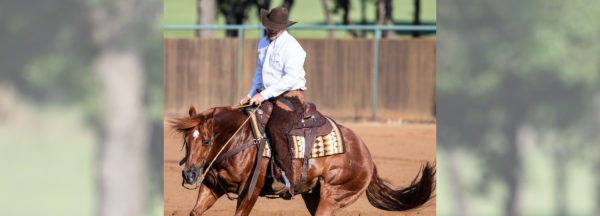
Every time you work with your horse, you should act like a detective, trying to figure out where your horse has any holes in his foundation. One question you should ask yourself during each training session is: How is my horse’s mental and physical health?
A good horseman keeps a constant eye on his horse’s mental and physical well-being. Mental well-being refers to the horse’s attitude and state of mind. You want your horse to look forward to his training sessions, be interested in what you’re doing and to be relaxed. Now of course there will be times during the training process when you’re challenging the horse or correcting longstanding bad habits and he may not come out of the barn with a smile on his face. That’s normal. It’s like I tell you, you’ve got to go through some ugly stuff to get to the good stuff.
And some horses, just like people, are just naturally grumpy and have bad attitudes. There’s not much you can do to help their dispositions. However, if your normally good-minded horse cops a bad attitude or is overreactive, take the time to figure out why. Are you drilling too much on particular exercises and boring him to death? While it’s important to be consistent with your training, you also have to be sure to include variety into your program. Are you pressuring him too much or progressing too quickly for him? You need to step back and assess the situation and figure out why your horse’s behavior has changed and what you need to do to correct the situation.
Horses are much happier when they’re turned out and can interact with other horses. If your horse is locked in a stall 23 hours a day and can’t see other horses, it could be affecting his mental well-being. The more you confine a horse and don’t give him the opportunity to socialize and interact with other horses, as he normally would do in a herd, the more uncomfortable he feels.
Mother Nature intended horses to constantly be on the move, interacting with each other. Taking them out of their natural state creates stress in their lives. A lot of horses deal with that stress by developing a stall vice – weaving, cribbing, etc. That vice is their attempt to stimulate their brain and give themselves something to do.
Horses are the most content if they can touch other horses, be near them or at least see them. I’ve noticed that with turnout my horses are happier and seem to enjoy their lives much more. They have an overall better attitude when it comes to their work and their training progresses at a quicker rate.
Every day you ride your horse, you should assess his physical health. How is his body condition? Do you need to up or lower his calorie intake? I always tell people, ride the horse, not the feed. It’s important that your horse’s nutritional needs are met but you’re not overfeeding him and causing him to be high strung and overreactive. On the other end of the scale, you need to make sure he’s receiving enough feed to be in good health and spirits.
Does he appear to be stiff or sore anywhere? If so, address it immediately before a minor issue turns into a career-ending or life-threatening injury. If you expect your horse to perform well for you, you must give him the best care that you can.
