Training Tip: Don’t Nag Your Horse
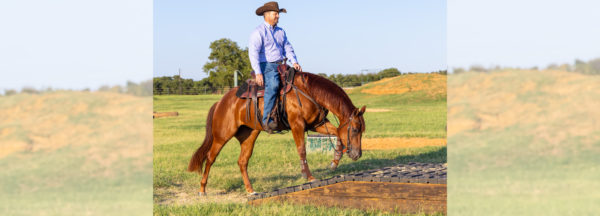
Nagging a horse, constantly pecking at him without getting a result or failing to reward him for correct behavior, only teaches him to be resentful and dull. Imagine you’re sitting at your desk at work and a co-worker comes up behind you and starts tapping your shoulder. No matter how you respond, they keep tapping your shoulder.
That’s how your horse feels when you’re not clear on what you’re asking him to do or if you fail to recognize when he responded correctly by releasing the pressure you were applying. When you apply pressure, expect an immediate response. There are four stages of pressure: low, medium, high and extra-high. Every time you apply pressure, you do so in four beats: one, two, three, four; one, two, three, four.
With each set of four numbers increase the amount of pressure until the horse gives you the correct response, then immediately release the pressure. That’s the horse’s reward for doing the right thing. The faster you can reward him when he finds the right answer, the quicker he’ll catch on to the lesson.
