Winter Weight Loss in Horses: How to Stay Ahead of Seasonal Changes
By Standlee Premium Western Forage
Cold weather can take a surprising toll on your horse’s body condition. Thick coats and blankets often hide early weight changes, and by the time owners finally notice ribs or topline loss, spring conditioning can already be an uphill battle.
This winter, the best defense is understanding why horses lose weight in the cold—and knowing how to adjust your forage plan before those changes show up.
Standlee’s equine nutritionist Dr. Kelly Vineyard breaks down what every horse owner should know to keep their horse in ideal condition all season long.
Why Horses Lose Weight in Winter
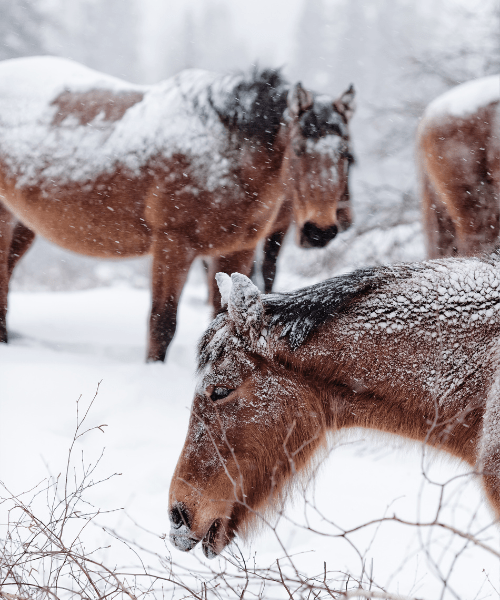
When temperatures drop, your horse’s calorie needs rise. Maintaining body temperature takes energy, and if your horse’s forage ration doesn’t increase to meet that demand, the deficit results in weight loss.
On top of that, winter brings additional challenges:
- Reduced pasture quality
- Variable hay nutrition
- Higher metabolic needs
- Less turnout or movement
- Coats and blankets hiding early weight changes
Even horses that maintain weight easily during the rest of the year may start dropping pounds once winter weather settles in.
The Foundation: Forage First
According to Dr. Vineyard, preventing winter weight loss always starts with forage.
Here’s why:
1. Forage = Internal Heat
As horses ferment fiber in the hindgut, heat is generated from digestion.
This natural “furnace” helps them stay warm, but it only works if forage is consistently available.
2. Forage = Gut Comfort + Steady Energy
Digestive stability improves:
- Trainability
- Focus
- Attitude
- Overall comfort
Both pasture and hay quality can decline in winter, so choosing a nutrient-dense forage becomes essential.
3. Forage = The Safest Way to Add Calories
Before turning to concentrates, increasing forage quality or quantity is the most effective and horse-friendly way to add calories through winter.
What Kind of Forage Helps the Most?
Dr. Vineyard outlines several forage types that support winter weight maintenance:
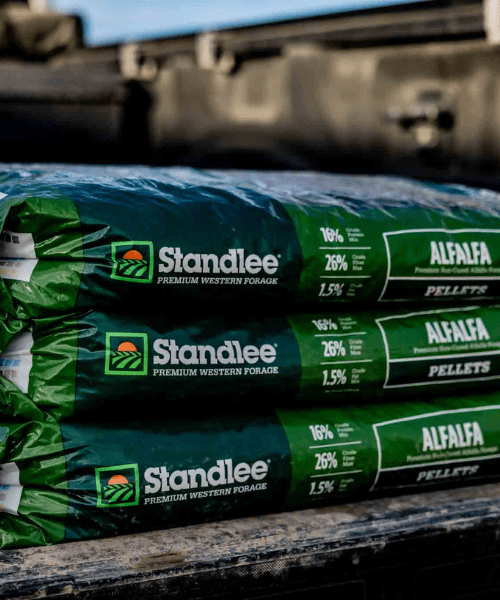
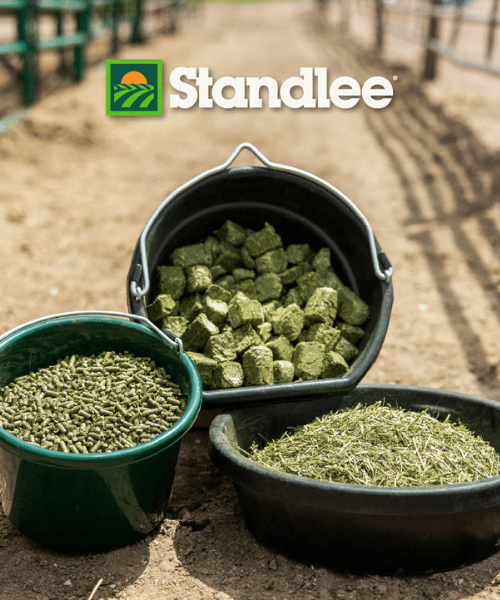
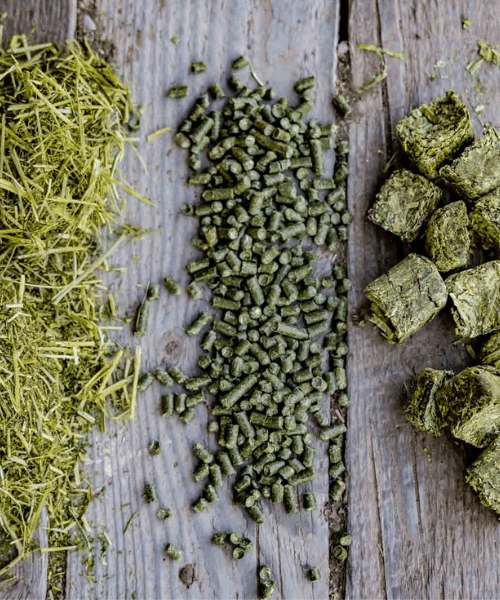
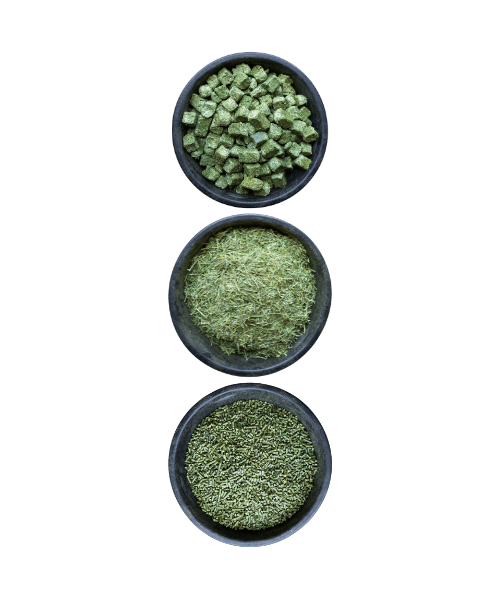
✔ Alfalfa Forage (Pellets, Cubes, Chopped, Compressed)
Ideal for:
- Hard keepers
- Seniors
- Performance horses
- Horses riding through the winter
Alfalfa is naturally high in digestible energy and quality protein, a reliable way to support body condition.
✔ Timothy–Alfalfa Blends
A balanced option for:
- Horses that maintain weight easily
- Horses needing moderate calorie increases
- Owners wanting predictable winter forage
These blends offer steady fiber with nutrient density.
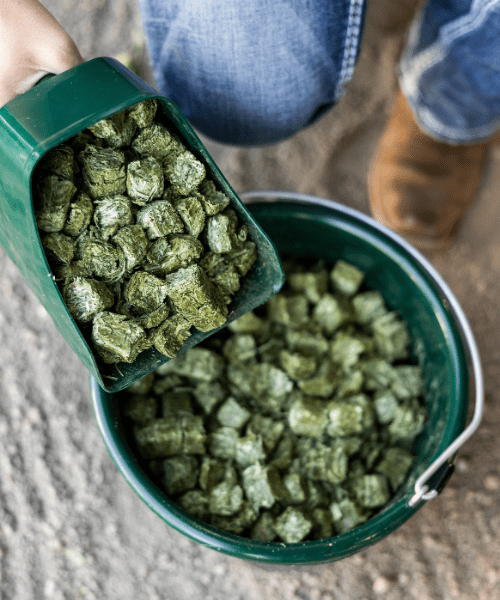
✔ Timothy Grass Mini Cubes
Great for:
- Horses needing dust-free forage
- Winter travel
- Soaked feedings to improve hydration
- Replacing low-quality hay
Small, consistent and easy to digest—a handy winter option.
How Much Forage Should You Feed in Winter?
Dr. Vineyard recommends increasing total forage intake by 10 to 20% during the coldest months.
You can also:
- Add alfalfa for horses needing extra calories
- Substitute poor-quality hay with higher-quality forage
- Provide soaked forage pellets or cubes to support hydration
- Keep water between 45 to 65°F to avoid reduced drinking
Monitoring body condition weekly, with blankets removed, is essential.
Signs of Winter Weight Loss Owners Often Miss
Because horses grow winter coats and wear blankets, weight loss can sneak up. Watch for:
- A sharper topline or hip
- Loss of rump roundness
- More visible ribs when wet
- Looser girths
- Declining energy or stamina
- A “tucked up” look in the abdomen
These small shifts add up quickly if not addressed early.
A Better Winter Starts with Better Forage
Whether you’re keeping your horse tuned up for spring riding or simply want to maintain their health through winter, forage is your most powerful feeding tool this winter.
- More forage = more warmth
- Better forage = better body condition
- Consistent forage = consistent training
For horses living or training through cold weather, it’s the single most important factor in staying ahead of seasonal weight loss.
Want to Learn More?
Explore Standlee’s premium winter forage options and get expert-backed education on feeding through cold weather:
Visit www.standlee.com
