Winter Training Made Easier: Hydration, Energy and Focus Through Better Forage
By Standlee Premium Western Forage
Winter can make training more challenging: shorter days, frozen water bucket, less turnout, and unpredictable weather all influence your horse’s behavior, energy level, and ability to focus. But one thing remains constant – good forage is the foundation of keeping your horse mentally sharp and physically ready to work.
In cold weather, the right forage plan can improve:
- Training responsiveness
- Mental relaxation
- Hydration
- Body condition
- Energy regulation
Here’s how to support your winter training routine through smarter forage management.
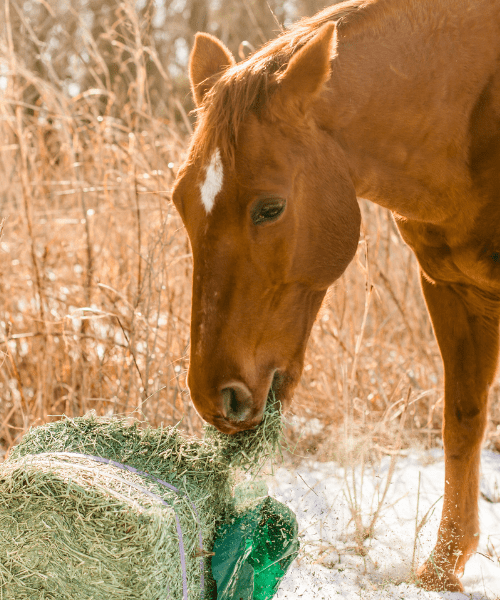
Forage Helps Your Horse Stay Mentally Focused
A distracted or fidgety horse is difficult to train – and winter only amplifies tension.
When forage intake drops or becomes inconsistent, horses experience:
- Increased excitability
- Poorer focus
- More “freshness” due to stored energy
- Gut discomfort that appears as irritability
High-quality forage provides steady fuel, keeps the digestive system working, and helps your horse stay relaxed enough to learn.
Long-stem forage, cubes, and pellets can all help support calm behavior during winter groundwork, riding, or arena sessions.
Forage = Warmth (The Natural Way)
Horses stay warm primarily through fiber fermentation, not grain.
When horses eat forage:
- Microbiomes in the hindgut break down fiber
- Fermentation releases heat
- That heat maintains body temperature
This is why horses need more forage when temperatures drop, especially overnight.
Providing consistent winter forage supports:
- Warmth
- Steady energy
- Improved trainability
- Less stiffness during warm-up
If your horse feels better, they train better. It’s that simple.
Hydration Is a Hidden Key to Winter Performance
Cold weather reduces the instinct to drink, and dehydrated horses:
- Tire faster
- Focus less
- Are stiffer
- Can’t regulate temperature as well
- Are at greater risk for colic
To support hydration:
✔ Use warm water
Horses drink more when water is between 45- and 65-degrees Fahrenheit.
✔ Add soaked forage
Soaked cubes, pellets, or beet pulp are excellent hydration tools.
✔ Make feeding wet meals part of your winter routine
Especially before and after riding or groundwork.
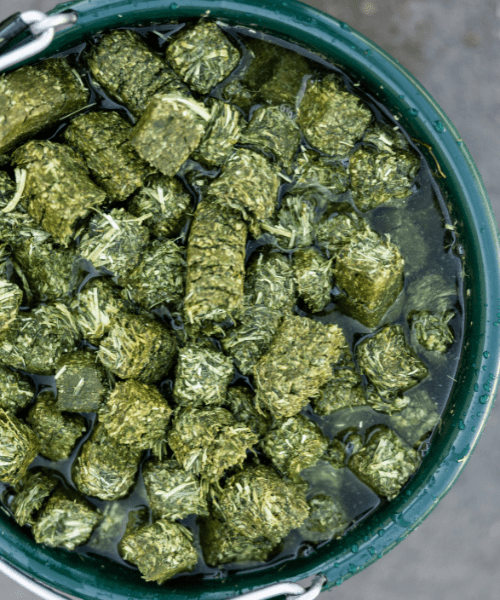
Soaked Forage Helps Senior Horses and Hard Keepers Excel in Training
Older horses or horses with dental issues often struggle to maintain condition in winter.
Soaked forage mash can help them:
- Chew comfortably
- Stay hydrated
- Warm up better
- Maintain muscle tone for training
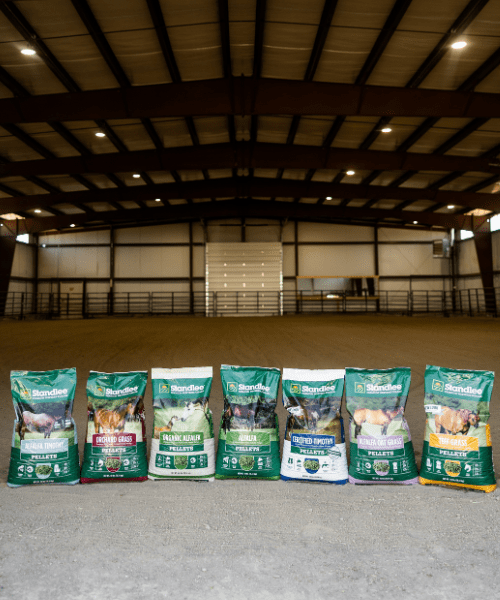
Timothy Grass Mini Cubes from Standlee, Alfalfa Cubes, and pellets all soak easily and can be included in your horse’s diet and adjusted to meet their needs.
Keep Training on Track with Consistent Feeding Times
Horses learn best when their daily routine stays predictable.
Inconsistent forage access during winter can lead to:
- Edginess
- Poor work ethic
- Gut discomfort
- Loss of muscle
- Increased spookiness
A steady forage schedule is one of the easiest ways to support reliable behavior, which is essential when practicing the Downunder Horsemanship Method.
Choose a Forage That Supports Your Winter Goals
Every Horse is different, but these options work well during colder months:
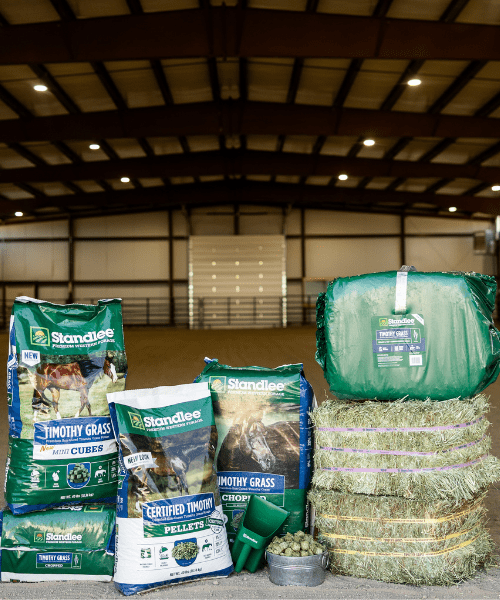
✔ Timothy Grass Mini Cubes
Clean, consistent, winter-friendly forage that’s great for training days and travel.
✔ Alfalfa Cubes or Pellets
Ideal for horses needing extra calories, muscle support, and warm-up comfort.
✔ Smart Beet
Beet pulp is a highly digestible fiber that soaks well and supports hydration.
✔ Premium Western Long-Stem Hay
The gold standard of winter warmth and digestive stability.
Talk to your veterinarian or an equine nutritionist to tailor a feeding plan to your horse’s specific winter workload and needs.
Set Your Horse Up for a Successful Winter Season
Whether you’re practicing groundwork exercises, building softness under saddle, or simply keeping your horse tuned up through the colder months, the right forage gives your horse the fuel – and focus – to do their best.
Winter doesn’t have to derail your training. Make smarter winter forage choices by choosing Standlee.
