Training Tip: Using Draw Reins to Train Your Horse
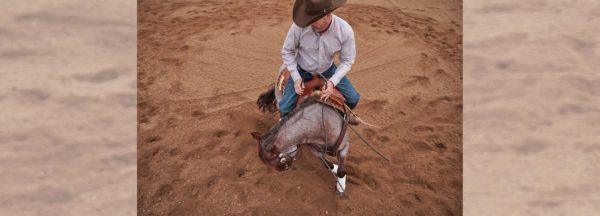
Question: Do you ever use draw reins on your performance horses? I’ve seen them used a few times at my barn, and would like to hear your opinion. – sarahdtjt
Clinton’s Answer: I don’t use draw reins often, but I do use them from time to time. When I do use them, it’s generally in conjunction with getting a horse to get softer and more collected during a lead change. Very rarely do I use draw reins if I’ve trained the horse from start to finish. Every once in a while, a customer will send me a horse from another trainer that hasn’t gotten broke and soft and supple the way that the horse should have. Because the horse is lacking a foundation, he’s started to develop some bad habits during a lead change.
If I do use draw reins, I only use them for a maximum of three days in a row. I find that if you use draw reins more than three days in a row, they lose their effectiveness and almost become a crutch. A lot of people mistakenly use draw reins as a way to set the horse’s head. As long as they ride with the draw reins, the horse rides well. However, when they take the draw reins off, the horse falls apart and sticks his head up in the air and is strung out.
The bottom line is if your horse has a good foundation and is broke, meaning he’s soft and supple and you can control his five body parts, draw reins aren’t necessary.
Draw reins are beneficial; just don’t use them as a crutch. Anything in moderation can be helpful, but as soon as you step out of moderation and start being excessive, you run the risk of causing problems and getting into a wreck.
Looking for more training tips? Check out the No Worries Club. Have a training question? Send it to us at [email protected].
